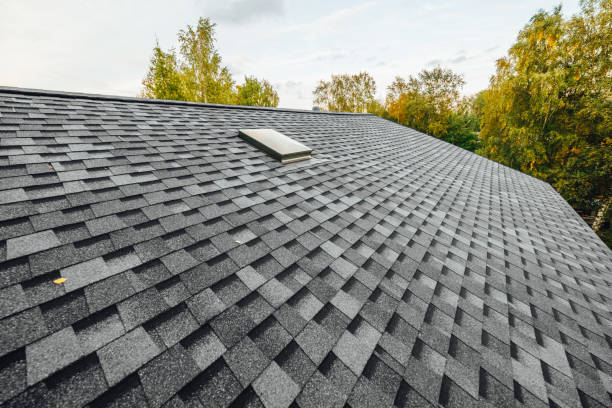
Residential Roofing In Milton VT plays a crucial role in protecting your home from the elements. In Milton, VT, seasonal weather changes can significantly impact the integrity and longevity of roofing systems. Understanding how these changes affect roofs can help homeowners make informed decisions about maintenance and necessary upgrades. This article will explore how different seasons influence residential roofing and commercial roofing and highlight the importance of professional assessments.
Milton experiences a range of weather conditions throughout the year, including heavy snowfall in winter, rainfall in spring, and high humidity in summer. Each of these conditions can have unique effects on roofing materials, which makes understanding seasonal weather patterns essential for homeowners. The impact of these patterns can vary based on the type of roofing material used in residential and commercial applications.
Winter can be particularly harsh on residential roofing. Heavy snowfall and ice accumulation can lead to various issues, including ice dams. When snow melts and refreezes at the roof's edge, it creates ice dams that can trap water under shingles, leading to leaks and water damage inside the home. Homeowners should ensure their roofs are designed to withstand heavy snow loads and are adequately ventilated to reduce the risk of ice dams.
As winter gives way to spring, the melting snow can create additional stress on roofs. The sudden influx of water from melting snow combined with spring rain can lead to pooling water on flat roofs. This accumulation can cause leaks and exacerbate existing issues. Regular inspections after winter can help identify any signs of damage or necessary repairs before the rainy season begins.
The summer months bring rising temperatures and increased humidity, which can affect roofing materials. Asphalt shingles may become brittle and fade in the heat, while excessive humidity can promote mold and algae growth. Homeowners should ensure their roofs are properly ventilated to mitigate heat and moisture buildup. This is especially important for residential roofing, as poor ventilation can lead to decreased energy efficiency and potential damage over time.
During the summer, roofs are also subjected to increased UV exposure, which can degrade materials over time. UV rays can cause shingles to lose their granules, reducing their effectiveness and lifespan. Homeowners may want to consider UV-resistant roofing materials or protective coatings to extend the life of their roofs. Consulting with a reputable solar energy company can provide additional insights into energy-efficient roofing options that can withstand UV exposure.
As fall approaches, homeowners should take the opportunity to prepare their roofs for winter. This includes cleaning gutters and downspouts to prevent blockages that can lead to water backup and ice dams. Additionally, any damaged shingles or flashing should be repaired to ensure the roof is ready to handle the upcoming snow and ice. Conducting a thorough inspection during the fall can help homeowners identify any issues before winter arrives.
Seasonal weather changes can cause wear and tear on roofing systems that may not be immediately visible. Hiring professional roofing contractors to conduct regular inspections is crucial for identifying potential problems early on. A thorough inspection can reveal hidden damage, such as deteriorating underlayment or compromised flashing, allowing homeowners to address issues before they escalate.
While both residential and commercial roofing systems are affected by seasonal weather changes, there are key differences. Commercial roofing often involves flat or low-slope designs, making them more susceptible to water pooling during heavy rainfall. Homeowners with commercial properties should work closely with experienced contractors to ensure their roofing systems are designed to handle local weather conditions.
Seasonal weather changes also affect the energy efficiency of residential roofing. During the summer, excessive heat can lead to higher energy bills due to increased reliance on air conditioning. Roofs with poor insulation or ventilation can exacerbate this issue. Installing heat pumps or upgrading insulation can improve energy efficiency and reduce costs. Homeowners should consult with heat pump installers to explore options that suit their roofing systems.
For homeowners interested in renewable energy solutions, seasonal weather changes can also affect Solar Panel performance. Snow accumulation in winter can block sunlight and reduce energy production. However, solar panels can effectively shed snow once they reach a certain temperature. In summer, excessive heat can reduce solar panel efficiency. Homeowners should work with qualified solar panel installers to ensure their systems are optimally positioned and maintained for maximum performance year-round.
Seasonal weather changes have a profound impact on Roofing Top In Milton, VT. Understanding these effects and taking proactive measures can help homeowners maintain the integrity of their roofs and extend their lifespan. Regular inspections, timely repairs, and proper maintenance are essential for ensuring that your roofing system withstands the challenges posed by changing seasons. Consulting with professionals can provide invaluable insights into maintaining your roof's health and enhancing energy efficiency.